03.04.2026.
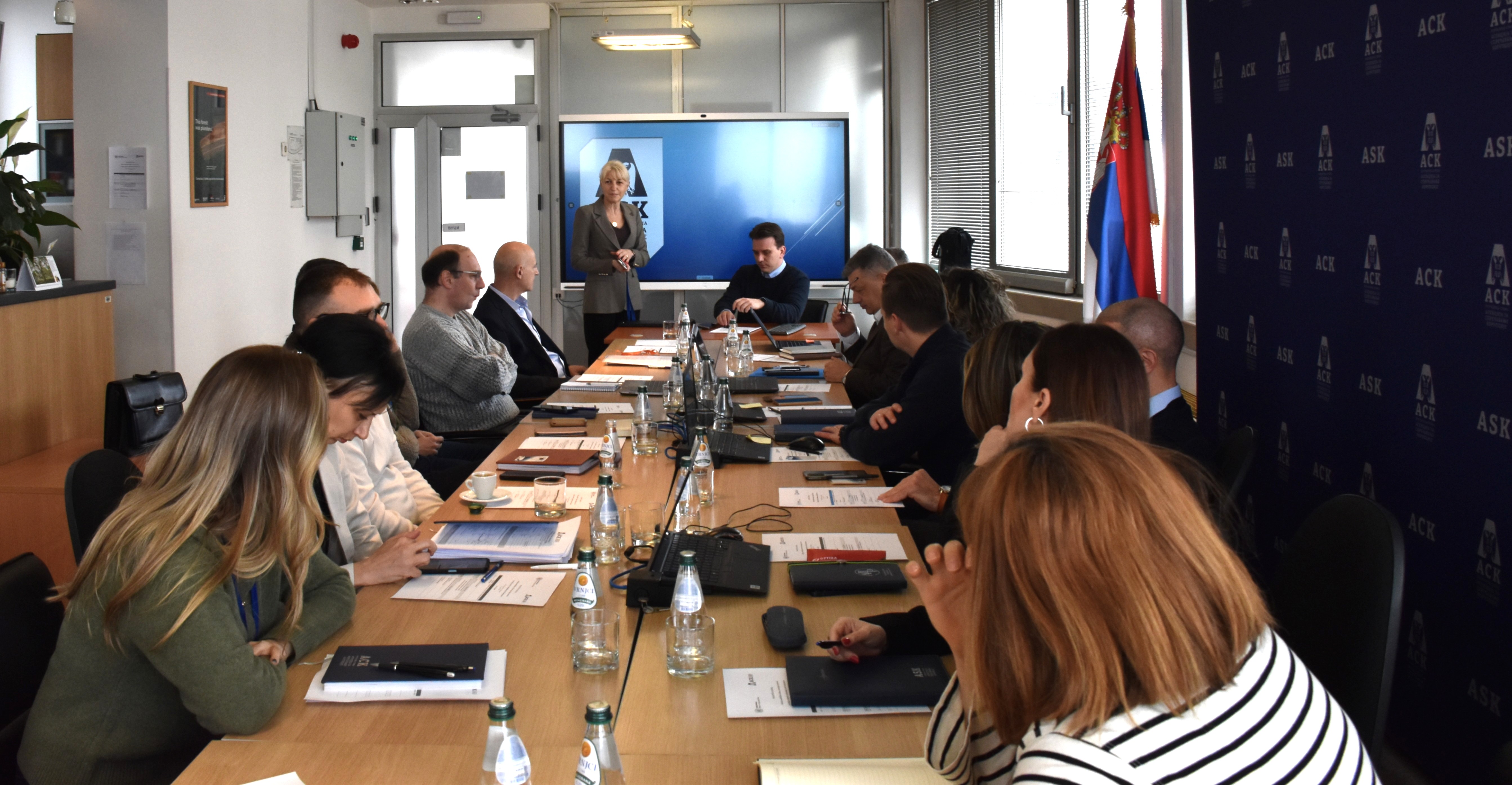
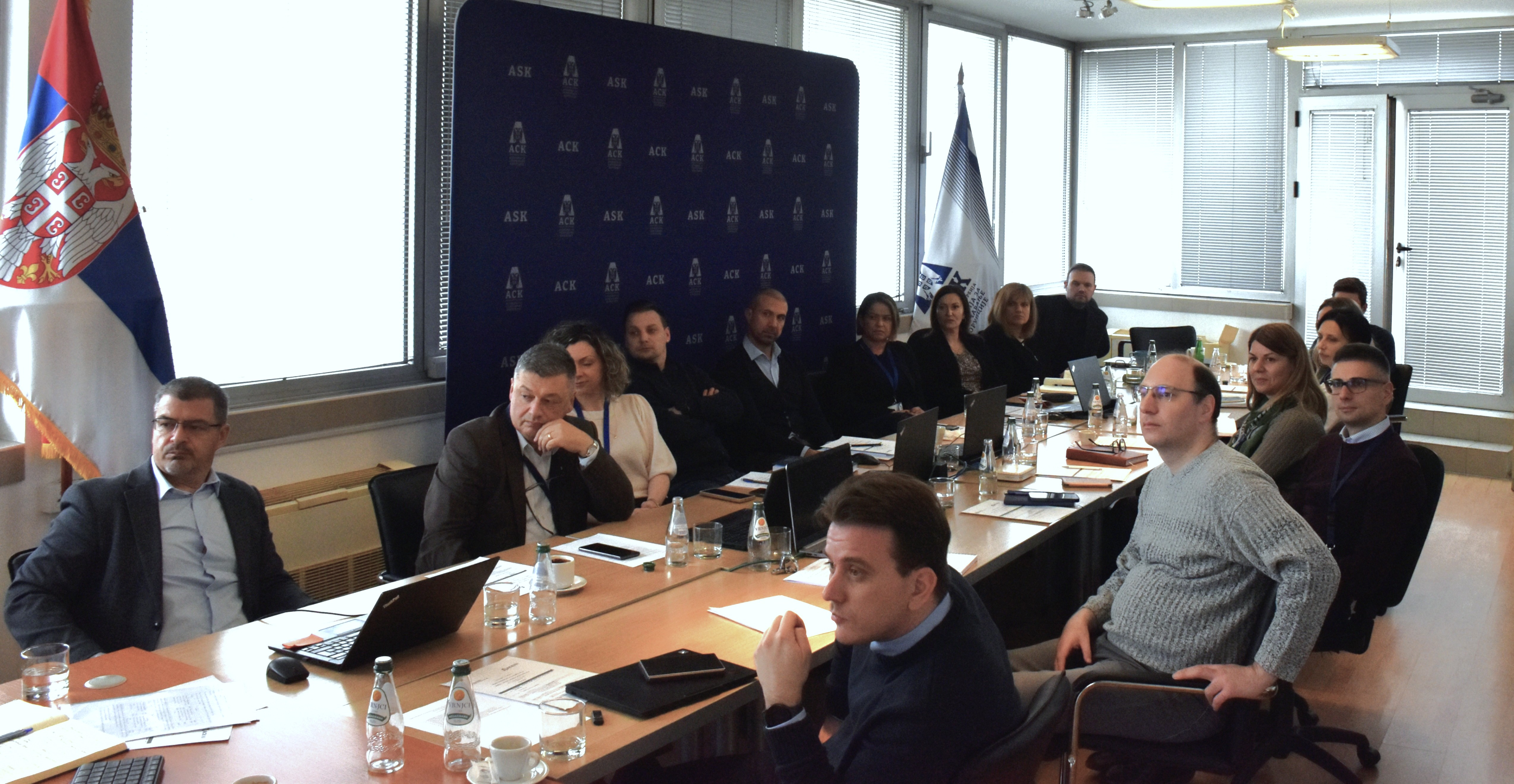
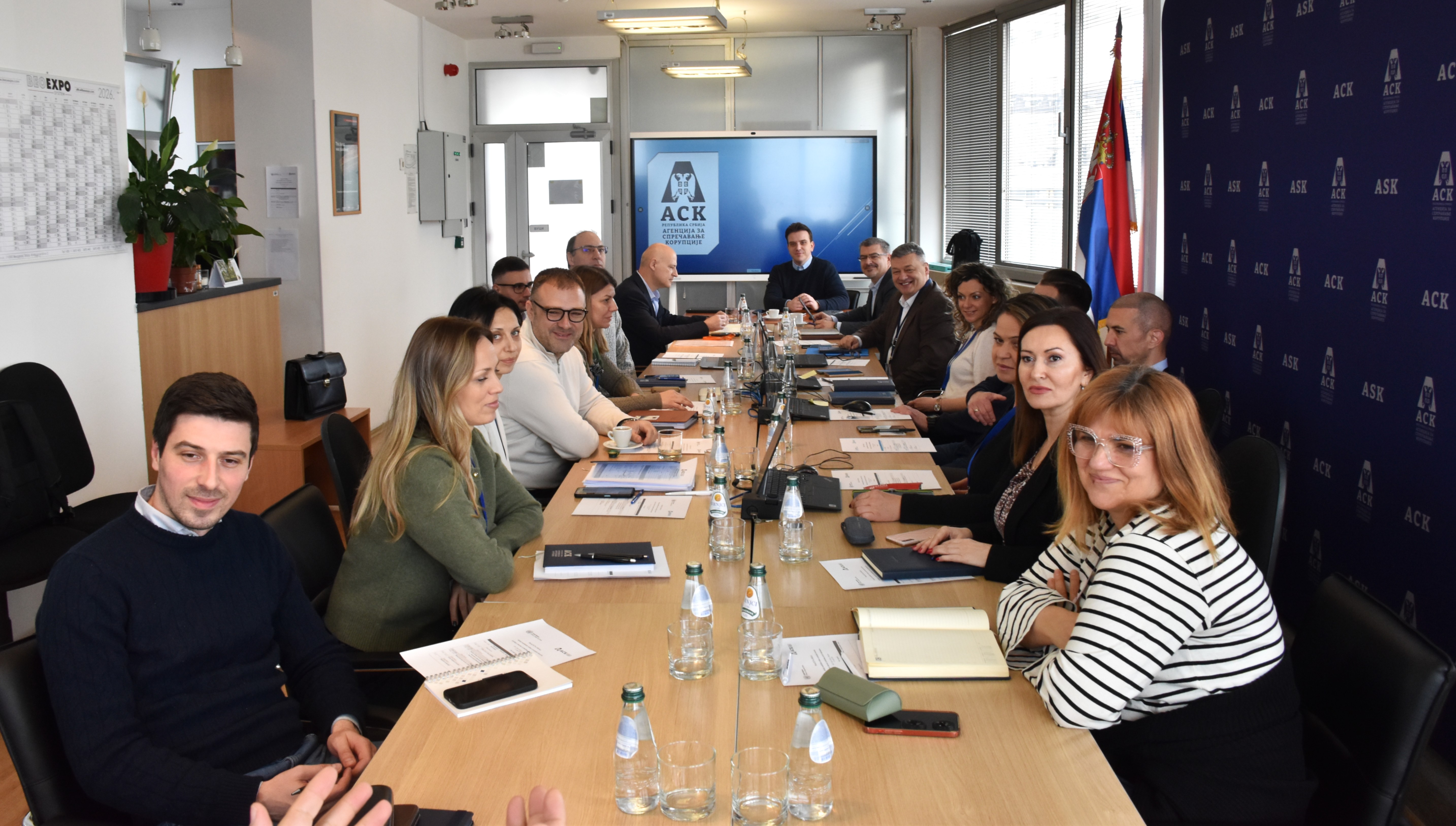
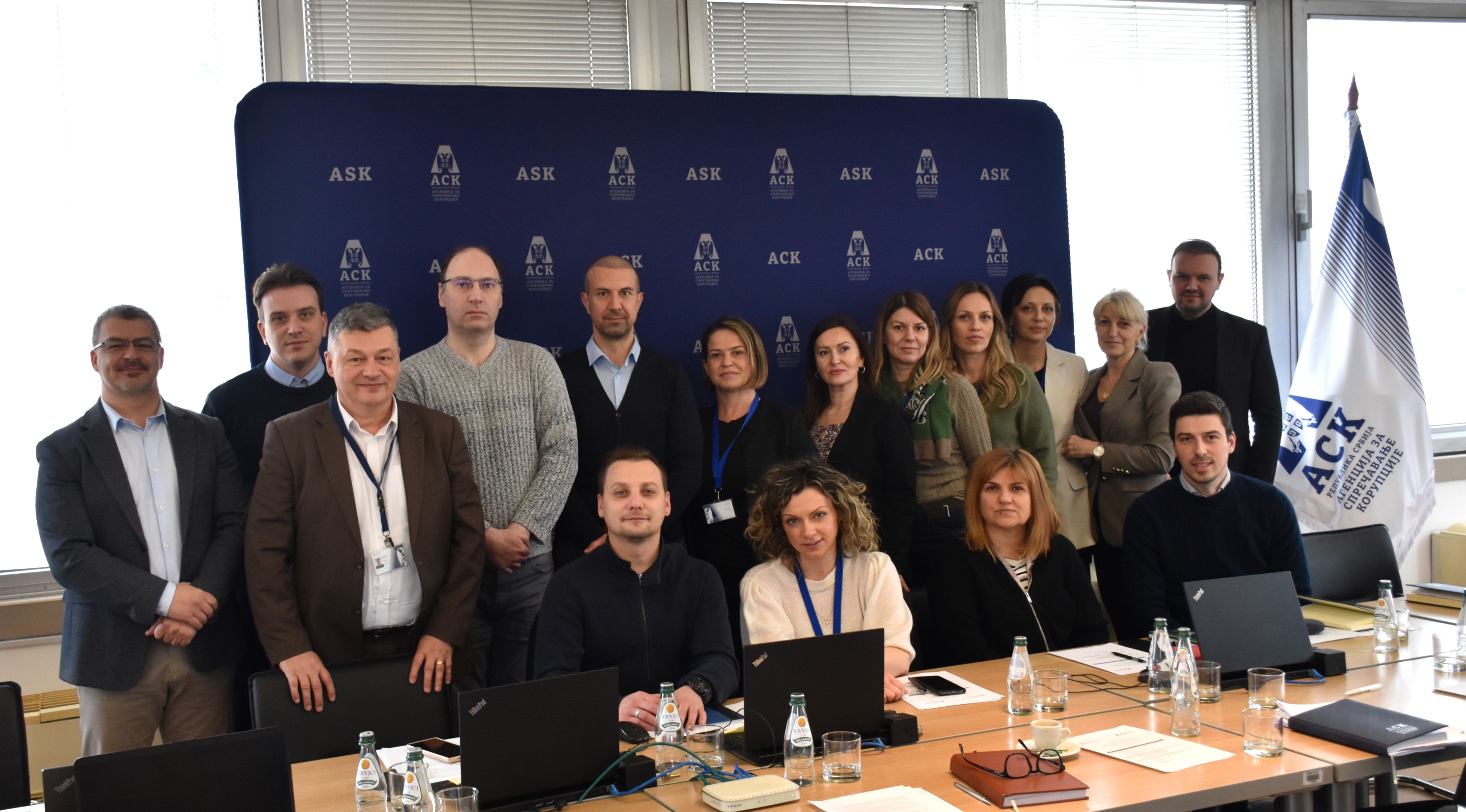
The United Nations Office on Drugs and Crime (UNODC) delivered practical training aimed at enhancing the analytical capacities of the Agency for the Prevention of Corruption in the verification of asset and income declarations of public officials, focusing on strengthening both methodological knowledge and hands-on analytical skills.
The training covered core concepts underpinning financial investigations, including the legal basis, institutional frameworks, and methodologies used in identifying irregularities in asset declarations. Participants explored lifestyle analysis as a comparative method, examining discrepancies between declared income and actual expenditures as potential indicators of risk, alongside key principles of financial forensics.
In addition, the training introduced participants to the use of open-source intelligence (OSINT) and publicly available data in financial analysis. Practical sessions focused on techniques for searching open databases and using digital tools to gather relevant information. Particular emphasis was placed on the legal and ethical aspects of data processing, including the principles of lawfulness, data minimization, and proportionality. Through demonstrations and hands-on exercises, participants explored techniques for searching individuals, companies, domains, and metadata, using advanced search operators, specialized OSINT tools, and social media analysis, as well as identifying connections between entities.
The training was developed and delivered under the UNODC Regional Programme for South-Eastern Europe within the UNODC Regional platform to fast-track the implementation of UNCAC in the Western Balkans. The activity was implemented with the support of the Ministry of Foreign Affairs of the Republic of Italy.